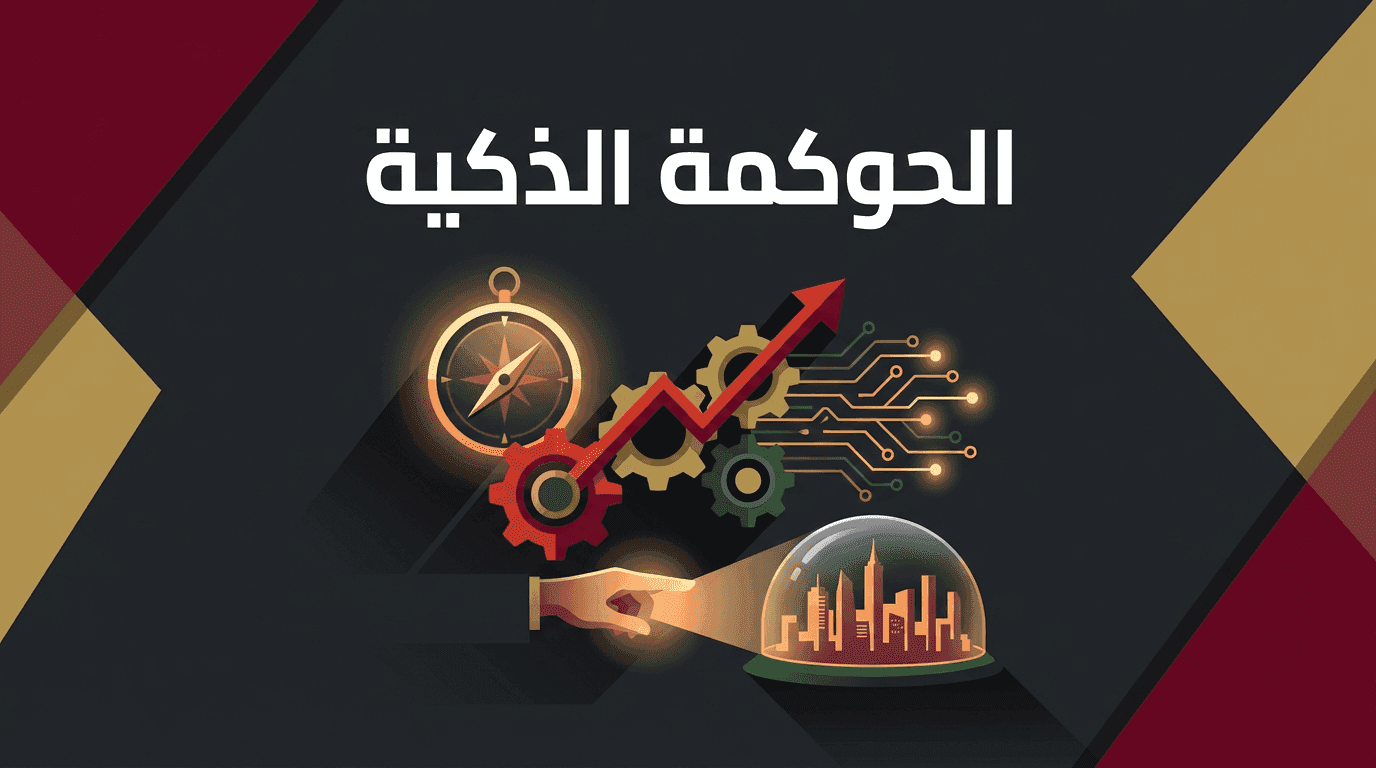
In an era of accelerating challenges and increasing market fragility, corporate governance is no longer just a set of regulations and procedures managed on paper. Instead, it has transformed into a vital system based on advanced digital tools that enable leaders to reach more accurate and proactive decisions.
By 2025, organizations adopting these tools are capable of not only complying with regulations but also building a true competitive advantage, thanks to the transparency, flexibility, and future vision they provide.
1. Unified Data Platforms: Comprehensive Vision in a Single Moment
One of the biggest challenges in governance lies in data fragmentation across departments. Unified data platforms have emerged to provide an integrated dashboard that merges performance, spending, and risks into a single interface.
🔹 Practical Example: Power BI, which allows leaders to analyze indicators in real-time, reducing reliance on late or fragmented reports for decision-making.
2. Tracking and Accountability Systems: Turning Responsibility into Culture
Accountability does not only mean oversight; it means the clarity and integration of roles within the organization's strategy. Institutional tracking and accountability systems make this clarity tangible, as goals can be linked directly to responsibilities and outcomes.
🔹 Practical Example: Workiva, which has become a global benchmark in enhancing transparency, especially for listed companies dealing with complex regulatory and financial reports.
3. Risk Prediction Technologies: Reading the Future Before It Happens
Dealing with risks after they occur has become a costly option. Risk prediction tools enable organizations to build alternative scenarios, analyze hidden patterns, and preempt threats before they manifest.
🔹 Practical Example: Oracle Risk Management, which uses Artificial Intelligence to monitor early warnings and enable leadership teams to take timely preventive decisions.
Conclusion
Governance in 2025 is no longer a system that monitors from above, but a strategic mind that distributes awareness within the organization. It is a tool for empowerment, granting leaders the ability to craft a more sustainable future and institutions that are more resilient in the face of change.