

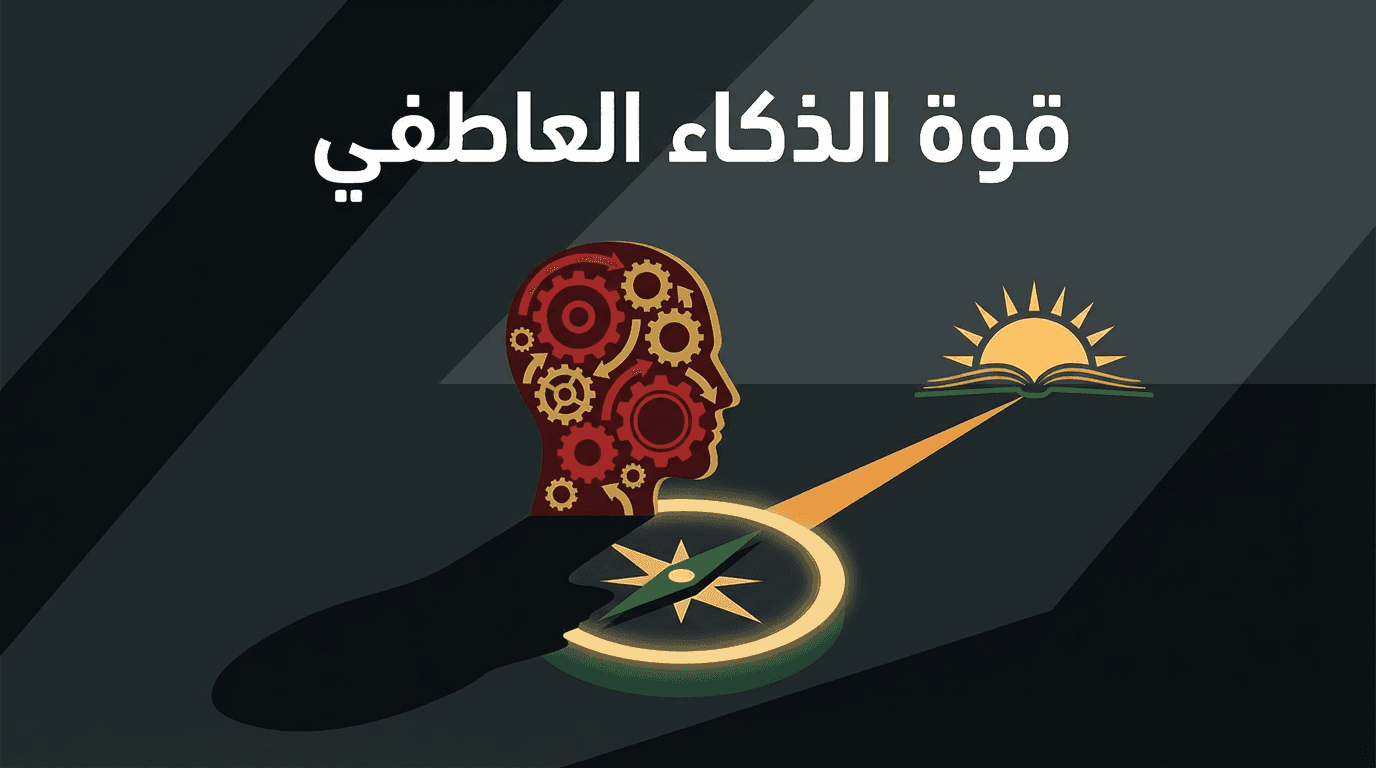
The Power of Emotional Intelligence: From a Personal Skill to a Tool for Excellence in the Workplace
In an era of accelerating innovation and constantly changing rules of the game, technical skills alone are no longer enough to make a difference in the workplace. Today's professional success requires something deeper than technical knowledge, transcending individual competence into human skills that form the foundation for communication, collaboration, and leadership. Here, emotional intelligence emerges as one of the most vital factors opening the doors to excellence in the modern business world.
What is Emotional Intelligence?
Emotional intelligence is the ability to recognize and understand your own emotions, perceive the emotions of others, and manage them consciously and effectively to achieve your goals. It is not just about being "nice" in interactions; rather, it is an integrated system of learnable and developable human skills that includes five key dimensions:
- Self-Awareness: Recognizing your emotions and their impact on your decisions and behavior.
- Self-Management: The ability to control your reactions and regulate your emotions.
- Self-Motivation: Maintaining enthusiasm and ambition despite challenges.
- Empathy: Understanding the feelings of others and interacting with them genuinely.
- Social Skills: Building strong relationships based on trust and effective communication.
Why is Emotional Intelligence Essential in the Workplace?
In modern organizations, success is measured not only by the ability to complete tasks, but by the harmony among individuals and their capacity to turn challenges into opportunities. Employees with high emotional intelligence:
- Handle pressure with resilience and balance, maintaining the quality of their decisions even during critical times.
- Foster a positive work environment based on respect and appreciation, which reduces conflicts and boosts team spirit.
- Communicate with clarity and transparency, strengthening cooperation and establishing trust within teams.
- Possess an innovative capacity to solve problems by looking at them from multiple angles.
Consequently, emotional intelligence has become an important benchmark for identifying influential leaders and outstanding employees who contribute to achieving organization goals sustainably.
How Does Emotional Intelligence Drive Professional Success?
- Building Strong Professional Relationships: Positive interaction with others fosters long-term trust and cooperation.
- Managing Pressure Smartly: Being aware of emotions and controlling reactions maintains focus and productivity.
- Enhancing Effective Communication: Clear expression and active listening minimize misunderstandings and increase harmony.
- Developing Leadership Capabilities: Understanding and motivating team needs distinguishes an inspiring leader from a traditional manager.
- Solving Problems Flexibly: Openness to different perspectives opens the door to innovative and effective solutions.
Practical Steps to Develop Emotional Intelligence
Emotional intelligence is not a fixed innate trait, but a skill capable of growing through continuous practice and awareness. Key steps include:
- Practicing Self-Awareness: Dedicate time to review your feelings and reflect on your daily decisions.
- Learning Self-Management Techniques: Such as deep breathing or meditation to control stress.
- Cultivating Empathy: Listen genuinely to others and ask yourself: How would I feel if I were in their shoes?
- Developing Social Skills: Participate in discussions and workshops, and practice teamwork.
- Benefiting from Feedback: Seek evaluations from colleagues and leaders to improve your interaction style.
Conclusion
In a fast-paced world full of changes, emotional intelligence remains the cornerstone of professional excellence. It is the bridge that transforms knowledge and experience into real impact, giving individuals the power to lead themselves and others toward success. Investing in emotional intelligence today is not an optional extra; it is a fundamental strategy for crafting a sustainable professional future full of opportunities and solid relationships.
Emotional intelligence is the start of a journey from idea to impact—a journey that redefines leadership and success, turning challenges into milestones for growth.