

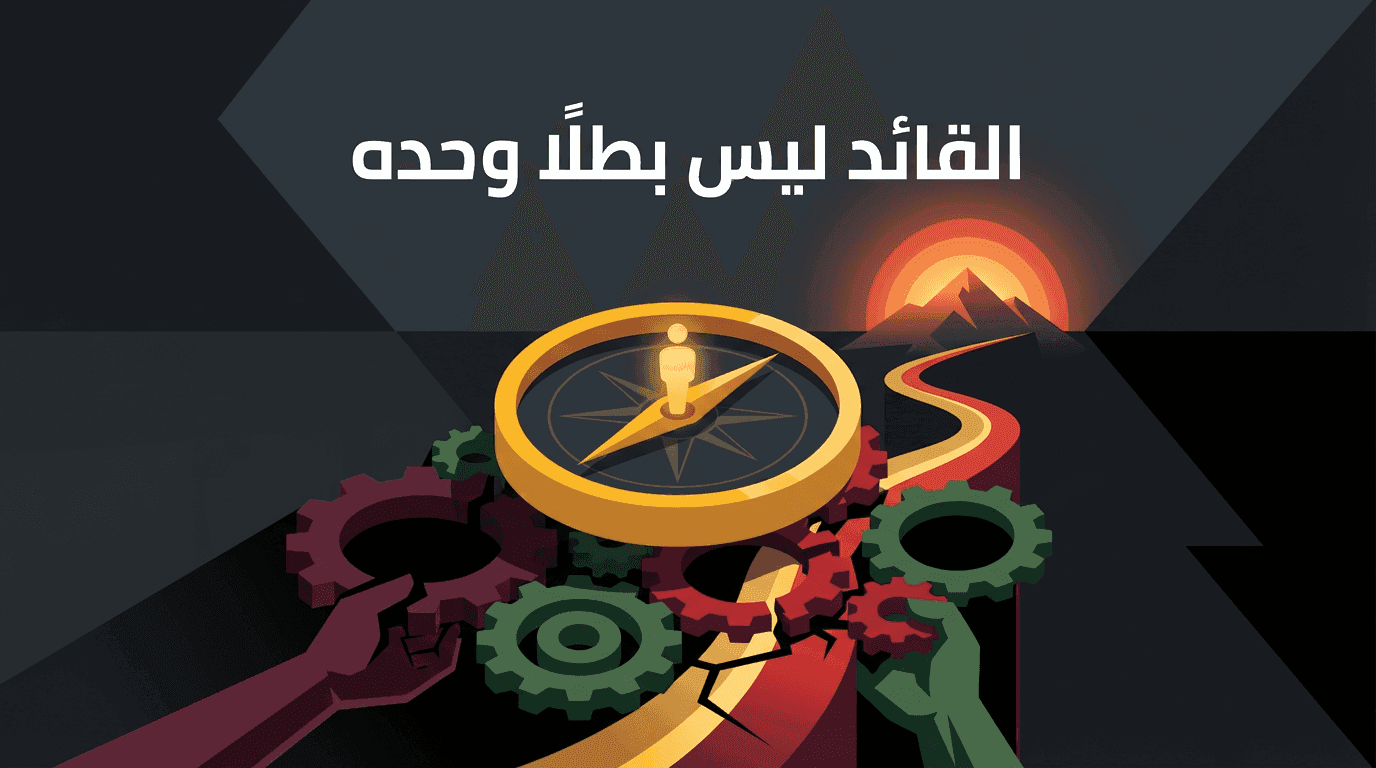
In a world churning with rapid transformations—from artificial intelligence innovations and deep tech to market and policy fluctuations—change management has become an indispensable, core skill for any leader. Institutional growth is no longer a stable process, but a recurring cycle of rebuilding processes, establishing departments, developing products, and entering new markets. Amid this volatile landscape, leaders face a critical challenge: how do they lead change without falling into the "lone hero" trap?
The hero trap occurs when a leader views themselves as the absolute owner of the change and the sole credit-holder for it. This might seem natural at first, as the leader is often the one standing on the stage, receiving praise or criticism, and feeling psychological ownership of the initiative. However, the problem is that this behavior isolates the team, turns criticism into a personal threat, and closes the door to alternative ideas. The result? Change initiatives that fail despite good intentions.
How do we avoid the hero trap and lead change with collective intelligence?
From the experiences of organizations around the world, three fundamental principles emerge that can make all the difference:
1. Build a coalition of experts before you choose the solution
Leaders often form teams after they have already decided on the path of change, thereby choosing supporters of the solution rather than experts in the problem. Collective intelligence begins by gathering diverse voices:
- Technologists: They understand the technicalities of the problem deeply.
- Analysts: They identify potential points of resistance and transform them into opportunities.
- Evangelists: They know the internal culture and translate the need for change into the language of the people.
- Sponsors: They possess the authority to provide resources and remove obstacles.
Such a coalition does not just produce a better solution; it distributes leadership and makes change a shared responsibility.
2. Do not just promote the vision, share the story of the problem
Leaders tend to draft a glamorous "future vision," but what truly motivates people is understanding the origin of the problem. How did we discover it? What pain did it cause? And what opportunities are we wasting if we do not act?
Telling the story makes change human and tangible. For instance, in a telecommunications company, no official speech succeeded in solving the customer handoff problem between sales and operations, but a symbolic image of a customer "falling between the two teams" shifted everyone's awareness and sparked a collective solution.
Telling the story makes change human and tangible. For instance, in a telecommunications company, no official speech succeeded in solving the customer handoff problem between sales and operations, but a symbolic image of a customer "falling between the two teams" shifted everyone's awareness and sparked a collective solution.
3. Make culture an ally, not an enemy
It is often assumed that change requires radically changing the culture. In reality, culture can be a powerful lever if the messaging is reframed intelligently.
An energy company, for example, replaced its massive fleet of conventional cars with electric vehicles. Instead of attacking the culture of "the car as a job perk," it linked the change to the organization's values around competition and winning new contracts, while providing gradual alternatives that reduced costs. Thus, the culture became a supporter of change, not an obstacle to it.
An energy company, for example, replaced its massive fleet of conventional cars with electric vehicles. Instead of attacking the culture of "the car as a job perk," it linked the change to the organization's values around competition and winning new contracts, while providing gradual alternatives that reduced costs. Thus, the culture became a supporter of change, not an obstacle to it.
The Most Important Lesson
A successful leader of change is not the one who takes the stage alone, but the one who knows when to step back so the team can step forward. True leadership in change is the art of distributing heroism, not monopolizing it.
So, instead of having a "single hero" leading the change, build an entire team of heroes—and herein lies the secret to sustainable growth.