

I clearly remember that shopping center that opened in central Riyadh. It wasn't just a building; it was a chapter in the book of our lives, and a stage for our middle school dreams. The presence of a music store in the basement was like a window to another world—a creative outlet that time could not erase. But as often happens in our cities, the place's sun set quickly, as if the lifespan of buildings does not exceed a few years. The luster moved north, leaving behind a void and a deserted square on the way to my school.
I used to contemplate this void with endless questions: Why do places lose their luster locally so quickly? Why are places and memories abandoned just as we abandon the past? And why do we run towards the north as if it were the only future, while in every other direction we see a past we must distance ourselves from? What is the flaw in our past? I never expected that the obsession with recycling things and restoring value to places would move from buildings to humans.
Exclusion, Not Empowerment: When the Goal Shifts
With the launch of our ambitious national vision, empowering the youth and utilizing their energy was a noble goal and an inevitable necessity to keep pace with development. However, in the midst of this focus, it seems that something has veered off track. The goal shifted from "empowering a group" to "excluding other groups." Job advertisements have begun to boast about targeting a specific age group, as if experience, loyalty, and life lessons have become worthless.
Local institutions began changing their strategies to limit opportunities to one specific group, as if a person loses their validity after a certain age.
I started to wonder: Who is a "young person" today? Someone told me mockingly: "A young person is someone who still gets opportunities in the new government and semi-government sectors." It is a painful definition, reflecting the reality that a person's value has become linked to their age, not their productivity.
Silver Economy: An Investment in Wisdom, Not Charity
This negative view toward aging is a major strategic mistake. At a time when birth rates are declining and the need for competencies is increasing, we find ourselves wasting an irreplaceable wealth.
Here, the concept of the "Silver Economy" emerges; not merely as consumer spending for the elderly, but as an investment in their productive power and expertise.
Silver Economy means:
- A workforce that is not wasted: A person after fifty is still capable of producing.
- Wisdom and experience: Capabilities measured not just by years but by accumulated lessons.
- An integrated role: Balancing the momentum of youth with the experience of years.
Global Examples:
- In the European Union, the size of the Silver Economy in 2018 was estimated at about 3.7 trillion euros (27% of GDP).
- In Japan, 25% of new entrepreneurs are over sixty.
- In Germany, the "multi-generational work" policy has made teams more stable and innovative.
Recycling the Local Human: An Alternative Model
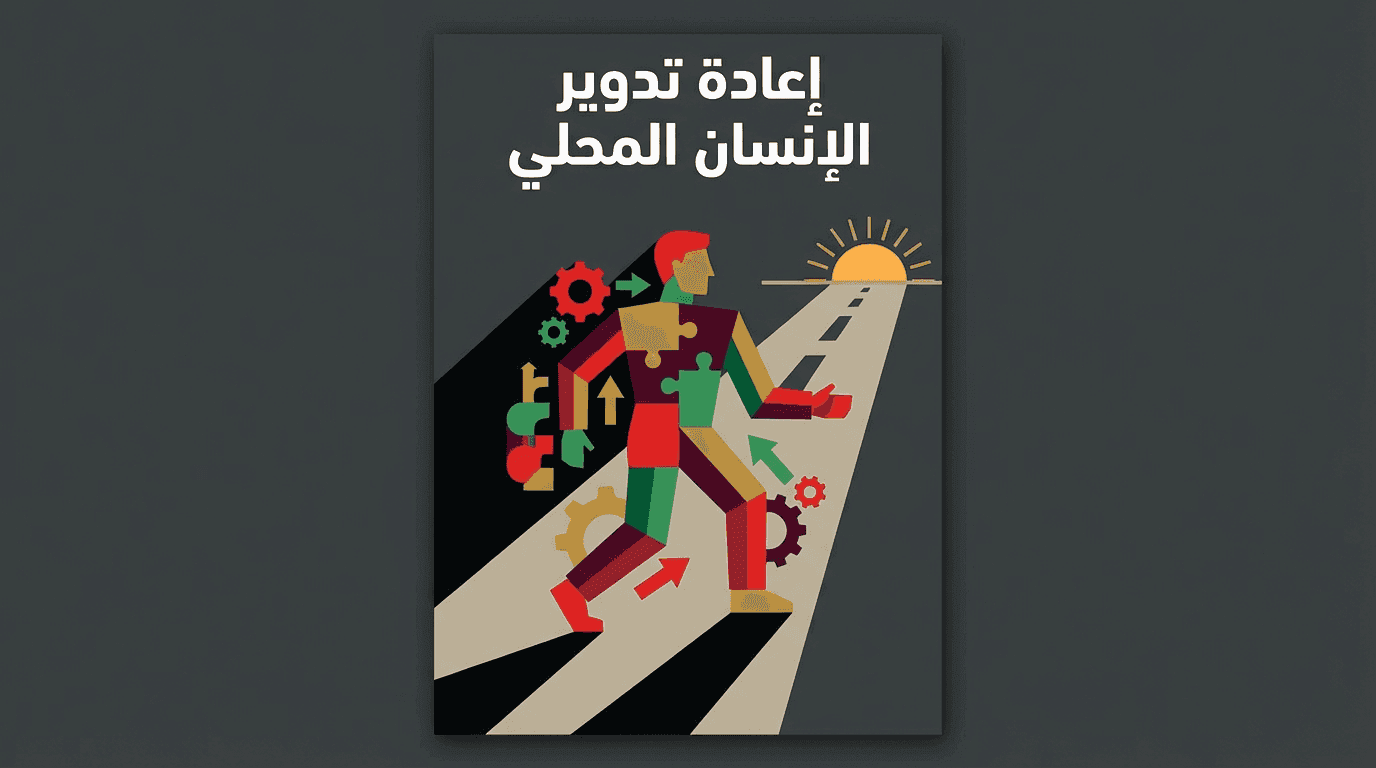
Humans are not expired commodities. Instead, they can be recycled:
- As leaders, trainers, or knowledge transferors.
- As entrepreneurs adding new value.
- As consultants reshaping the vision for emerging institutions.
I hope that the scenario of our youth relying on foreign consulting firms will be replaced by empowering Saudi generations of both genders to benefit from their accumulated expertise.
Conclusion
I hope that Riyadh does not see the past, including the human element, as a burden, but rather as strong roots for a richer future—a city that embraces all its children and believes that each of them has a chapter in its book that is incomplete without their presence.
Will we recycle our local human, or will we leave our history behind us and move north without a destination?