

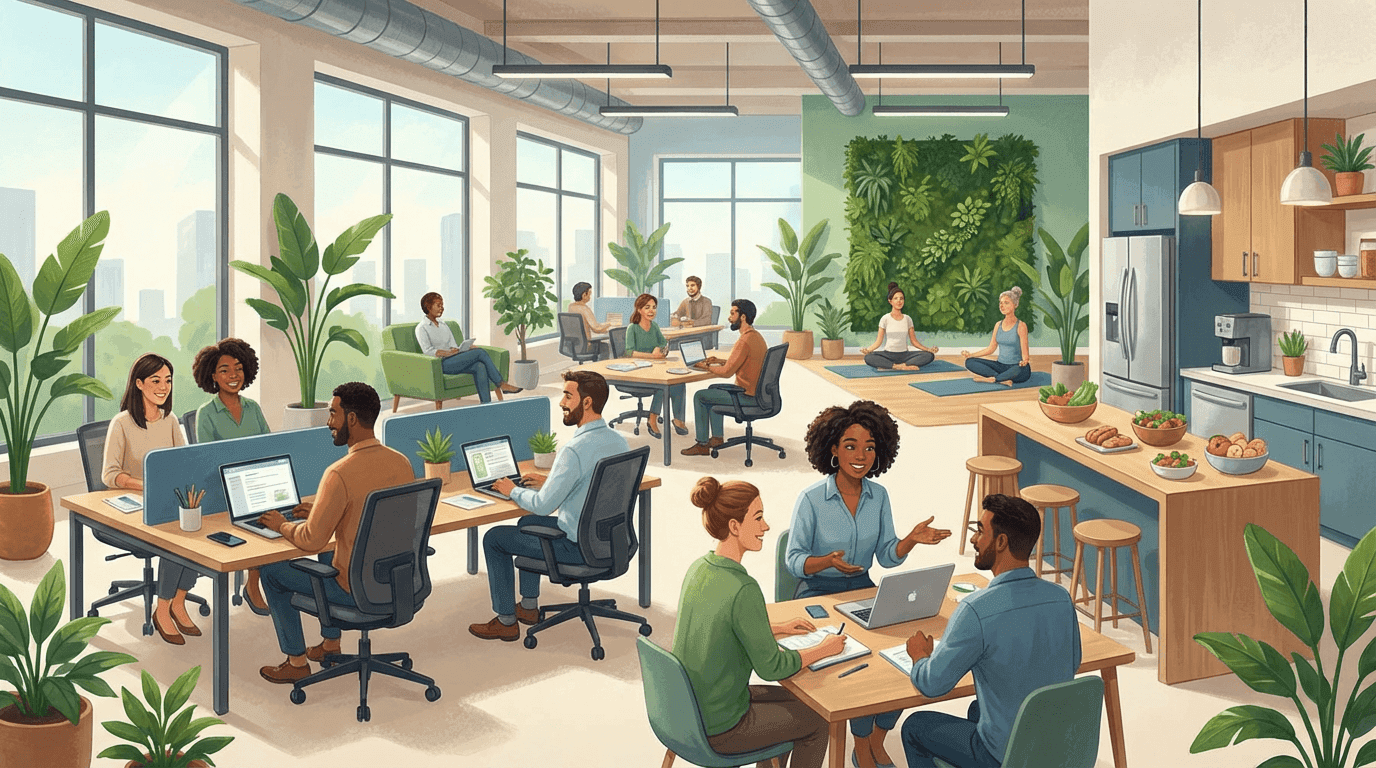
In the contemporary business world, organizations are no longer measured solely by their achievements or profit margins, but by their ability to build a balanced work environment that prioritizes the mental health of their employees. Mental health is no longer a marginal topic; it has become a core issue that determines an organization's sustainability and the quality of its outputs, directly reflecting its ability to compete in a fast-changing market.
An employee who feels valued and psychologically supported is capable of innovation, making sound decisions, and handling daily pressures with higher efficiency. Conversely, ignoring mental health leads to chronic burnout, frequent absenteeism, decreased loyalty, and may even result in losing top talent. Therefore, organizations that treat mental health as a strategic priority not only achieve better performance but also chart a path toward professional sustainability.
One of the most important pillars of supporting mental health at work is building a professional culture based on respect, flexibility, and mutual trust. When an employee feels that their voice is heard and their effort is appreciated, they gain a greater capacity to face pressures, transforming from a mere task-executor into an active partner in the organization's journey. This requires leadership to practice conscious management that demonstrates empathy and balances performance demands with individual needs.
Furthermore, providing practical tools for managing psychological stress has become an urgent necessity. These tools include work-life balance programs, such as flexible or part-time work policies, providing access to psychological support sessions or specialized consultations, and offering group activities that enhance team bonding. These simple initiatives can make a major difference in employees' sense of belonging and comfort.
The role of spatial design in the workplace cannot be overlooked when it comes to influencing mental health. Naturally lit offices, spaces with touches of nature like plants, and designated break areas all contribute to lowering stress levels and increasing a sense of tranquility. A work environment is not just walls and desks; it is a framework that sets the general mood of individuals, either motivating them or weighing them down.
Similarly, the importance of training and awareness shines through in promoting mental health. Workshops and training sessions can raise employees' awareness about the importance of self-care and teach them stress management strategies, such as deep breathing techniques or time management. If embedded as a culture, these simple skills can radically change the nature of the work environment.
At the organizational level, establishing clear and comprehensive policies for mental health ensures that efforts are sustainable and do not turn into temporary initiatives. Having an internal guide that outlines employee rights, ways to access support, and mechanisms for dealing with psychological crises makes the organization more credible and reliable in the eyes of its employees.
The greatest challenge facing organizations today is not just achieving short-term goals, but ensuring their ability to endure and evolve. This cannot be achieved without employees who possess a clear mind, a stable psychological state, and renewed energy. An organization that invests in mental health invests in human capital, which is the most important and valuable resource.
Ultimately, mental health in the work environment is not a luxury, but a strategic necessity. It is the compass that guides the organization toward sustainable success. Those who care for the psychological well-being of their employees build an organization that is more adaptable, more committed to its mission, and better prepared to make a real impact in the future.